Endurance
42.6min
+8.4%
Payload
3.20kg
+0.3
MTOW
11.4kg
−1.1
Cruise
118kt
+5
CONCEPT · GEN_47
CFD CONVERGED
Reinforcement Learning · Reward TrajectoryEpisode 12,847
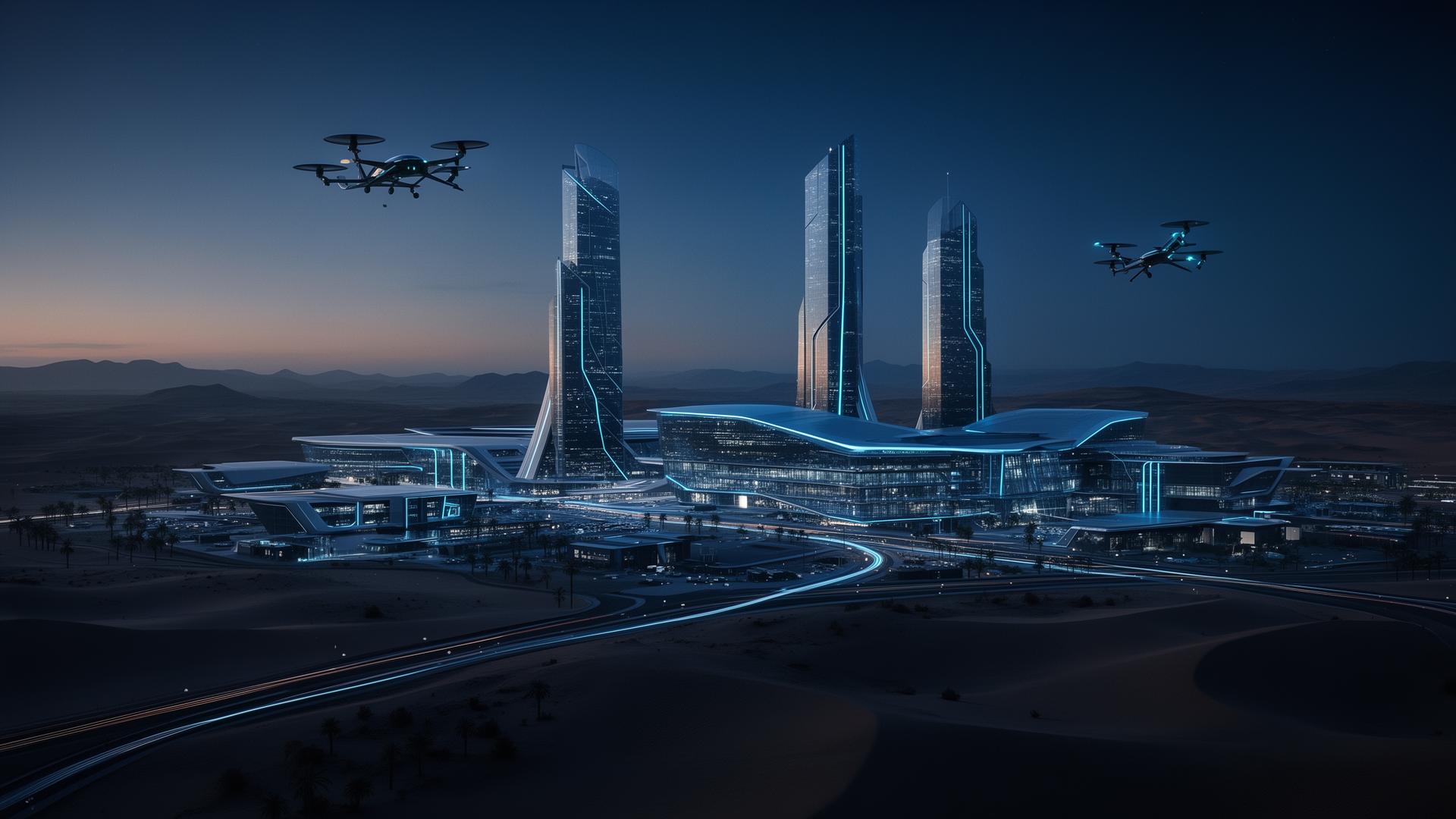
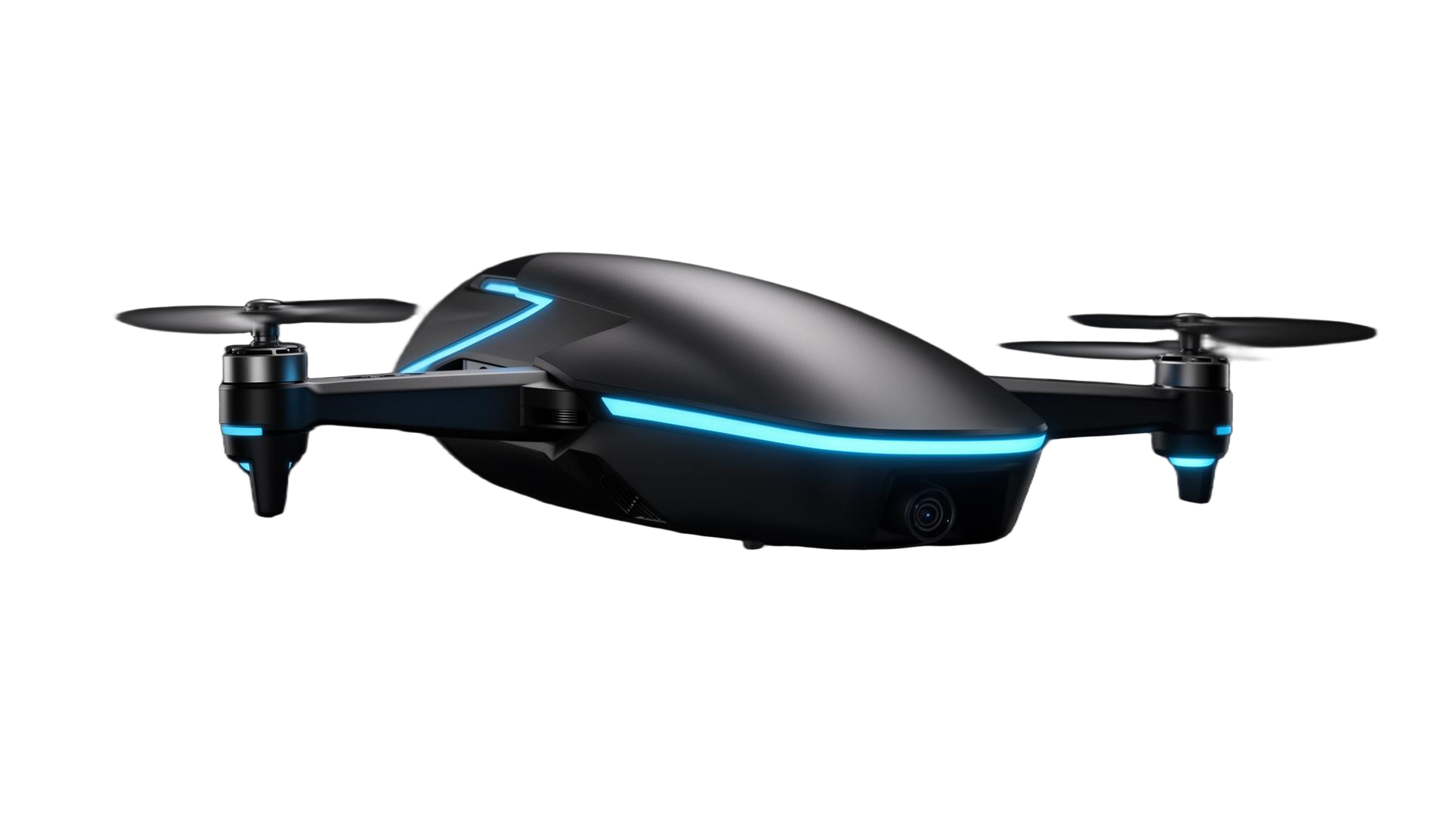
KvellTech is building TP-1, an AI-powered aerospace engineering platform that designs, simulates, optimizes, and rapidly prototypes the next generation of autonomous aerial systems.
Developing autonomous systems remains slow, expensive, and resource intensive. KvellTech is reimagining the aerospace development process through artificial intelligence, high-fidelity simulation, reinforcement learning, and rapid prototyping.
Defense and aerospace organizations are constrained by an engineering process that was never designed for the pace of modern operational requirements.
Traditional aerospace programs require months — often years — of iterative design, manufacture, and test before a single airframe is mission-ready.
Significant engineering manpower is required across aerodynamics, structures, propulsion, and avionics, driving program cost into the tens of millions.
Repeated manufacturing, instrumentation, and flight-test cycles inflate cost and delay deployment by months at every revision.
Defense and commercial organizations struggle to deploy new autonomous platforms at the pace operational requirements now demand.
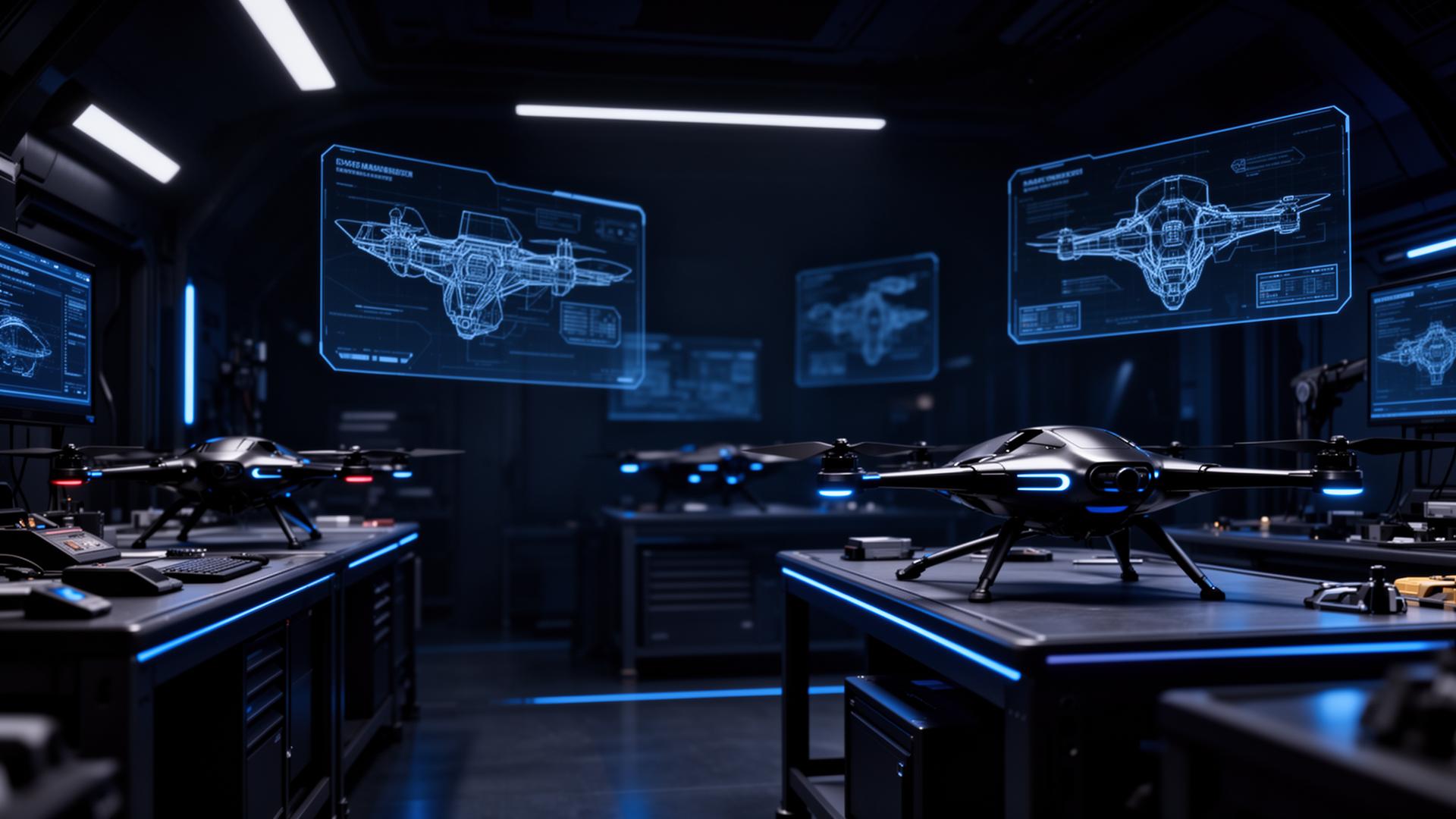
TP-1 is an AI-powered aerospace engineering platform that automates the design, simulation, optimization, and rapid prototyping of autonomous aerial systems — collapsing development cycles from years to weeks.
Generate optimized airframe and propulsion concepts directly from mission requirements — payload, range, endurance, environment.
Validate aerodynamic, structural, and mission performance in high-fidelity virtual environments before any physical hardware is built.
Train autonomy stacks in simulation across thousands of scenarios, continuously improving control and decision-making performance.
Export manufacturing-ready CAD and toolpaths — designs move from concept to a 3D-printable prototype in days, not quarters.
From mission requirements to a flight-ready prototype — a single continuous, AI-driven engineering loop.
Payload, range, endurance, operational environment.
AI produces multiple feasible drone architectures.
Virtual validation across thousands of scenarios.
Reinforcement learning improves real-world performance.
Generate manufacturing-ready, flight-test-ready designs.
Autonomous systems are the fastest-growing segment of global defense spending.
Saudi Arabia's national commitment to localizing defense and aerospace capability.
AI is being embedded across the aerospace value chain — from design to operations.
Defense, logistics, energy, and security increasingly depend on autonomous platforms.
Conventional aerospace engineering programs are sequential, manual, and prototype-heavy. TP-1 is the opposite.
A staged path from platform validation to a regional autonomous-systems ecosystem.
TP-1 alpha — internal design loops and reference airframes.
Engagements with government, defense, and research partners.
TP-1 generally available to qualified defense customers.
GCC and broader MENA aerospace deployments.
An end-to-end ecosystem for autonomous system development.
KvellTech is supported by a network of specialized partners across manufacturing, infrastructure, and information technology.
Our long-term vision is to become a leading developer of AI-powered aerospace engineering technologies — enabling defense, government, and commercial organizations to create autonomous systems faster, more efficiently, and at significantly lower cost.
Hassan founded KvellTech to close the gap between modern AI capabilities and the decades-old engineering process that still defines aerospace development. He leads technology, product, and strategy.
For investors, accelerators, government stakeholders, and prospective partners — get in touch to schedule a closed-door briefing on KvellTech and TP-1.
All correspondence with defense and government stakeholders is handled under a strict disclosure protocol. Technical material is shared only after a mutual NDA.